

What Does a Glazier Do?
Glaziers are skilled workers who specialize in the work with glass. They cut and install glass in window frames, showers, bathtubs, display cases, and other home or commercial structures.
The career path for glaziers usually begins with an apprenticeship program that offers you on-the job training and pay. After the apprenticeship is completed, you become a journeyman glassmaker.
Job Dossiers
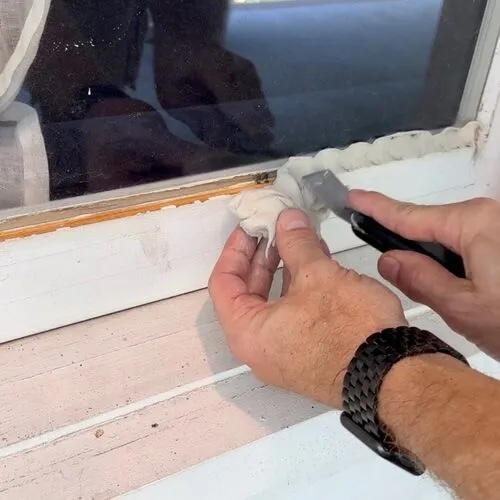
Glaziers install repairs and replace glass windows, doors, skylights and other fixtures in buildings. They follow plans, cut and adjust glass to dimensions and secure it with sashes and moldings. They also use sealants to avoid air infiltration and leaks. This profession is ideal for those who are meticulous and physically active. Glaziers need to be able to climb ladders and scaffolding.
Based on the type of glass that is being used Glaziers might need to create pieces in their workshop. Then, they load them onto trucks for transport to the job site. Glaziers mark lines and determine patterns or lines prior to cutting glass on the site of work. They also take out broken glass and prepare the site for the new installation. Glaziers then apply mastic, putty, paste or bolts to ensure that the glass is installed securely. When they are done they clean up the work area.
The formal training of glaziers generally lasts four years and includes an education of 144 hours in technical school and the 2,000 hours of on-the-job training. After they have completed the training they become journeymen and are able to perform independently. Foremen can be promoted from journeymen with excellent mechanical skills. They are also adept at laying materials out and coordinating labor team and have outstanding interpersonal abilities.
To become a glazier, you must have physical stamina as well as good hand-eye coordination to cut glass accurately during the course of work. They need to lift large pieces of glass and hold them until they are secured. Glaziers must also be capable of working outdoors in adverse weather conditions.
In order to construct building projects, glaziers work with other professionals in the trade like steel fixers and floor and wall tilers. They also collaborate with engineers, architects, and project managers. Glaziers who are skilled at interpreting architectural and construction blueprints can be particularly in demand.
Holland Code assessments indicate that people who are interested in becoming Glaziers have "Building" or "Organizing" as their primary interests. They enjoy working with their hands and fixing things, as well as creating and arranging information in well-organized systems. They should also be proficient at reading and analyzing data, and have the ability to effectively communicate with customers and coworkers.
Education and Training Requirements
Glaziers are required to have the equivalent of a high school diploma or equivalent qualification, and they learn their trade through a 3- or four-year apprenticeship. Some organizations offer apprenticeships for glaziers, including various unions and contractors associations. Apprentices begin as helpers, and eventually rise through the ranks to become journey workers capable of doing tasks on their own. Contact your state to find out if they require the glazier's license.
To be successful, glaziers need an array of abilities that include manual dexterity, balance, physical stamina and the ability to lift huge sheets of glass. They also require eye-hand coordination to cut precise measurements. They must also be able to solve arithmetic problems quickly and precisely. Since glaziers often work at high altitudes, they need to have good balance and feel at ease on scaffolds and ladders. They should also be able to read blueprints as well as layout bench marks and control lines dimensions, and employ hand tools of various kinds.
Glaziers are employed by construction companies as well as specialists in fenestration, or they can be self-employed. They often need to travel to various construction sites to complete their work. Glaziers generally work full time, but they may need to accept additional hours when working on projects that have deadlines.
Certain glaziers have earned certification from professional organizations like the National Glass Association, which offers the Certified Glazier (CGI) certification to glaziers who have at minimum two years of industry experience. The CGI certification can enhance your opportunities for employment and demonstrate to employers that you are committed to quality work and safety standards in the area.
Other requirements include a valid driver's license and a clean driving record and the ability to be able to pass a background check. You should be able to read blueprints and be able to communicate with supervisors and team members. If you are looking to become a glazier, think about signing up for a SkillHero account to look into apprenticeship and training programs. The free app also helps you build a resume that highlights your education, skills and experience.
Work Environment
They repair and install glass components such as windows, doors, skylights and mirrors. They also install and fix insulation panels as well as architectural features and other architectural elements. They also ensure that these elements work effectively while preserving their appearance and security.
Glaziers must have physical strength and endurance because they spend the majority of their time on their feet. They also climb ladders and scaffolding, and work with heavy sheets of glass for long periods of time. When working at heights they must take safety precautions because falling could result in serious injuries. Exposure to fumes from adhesives sealants, etching chemicals and cleaners can also be a risk.
Glaziers are often asked to work on bespoke projects, which showcase their artistic talents in the field. These projects can range from creating bespoke window displays to highlight the work of restaurants, to intricately engraving designs on glass doors. These bespoke projects offer the opportunity for glaziers who can combine aesthetic appeal with practical beauty. They are a vital part of the building design and construction industries.
Glaziers experience a high level of satisfaction in their jobs as their work is both rewarding and demanding. The majority of glaziers are interested in working with practical tasks and real-world materials. They tend to have Building and Organizing interests in accordance with the Holland Code framework. These interests indicate a preference for solving problems that require the creation of or fixing practical objects, and keeping records and data organized.
Some glaziers specialize in certain kinds of glazing. While most work on residential or commercial structures, there are some who specialize in a specific kind of glass. For commercial buildings of large size glass is insulated and specially tempered glass helps to conserve energy. Laminated glass is often employed in homes to improve security and reduce the risk of breaking. Glaziers also specialize in custom-made glass pieces for vehicles or buildings that require more intricate designs and a higher level of craftsmanship.
Labor Finders reports that the need for glaziers will increase over the coming years, as architects incorporate more energy-efficient glazing into new construction. Existing buildings are also being upgraded. There are also entry-level positions for those who haven't completed formal education and apprenticeship opportunities.
Salary
Glaziers earn a higher salary than the average for construction workers. Their salaries can vary based on the state where they reside, but. Glaziers can work full or part time and typically get experience through on-the-job training. They can also opt to work for themselves and bid on jobs through an online job site that is specifically designed for them, much like freelancers in other fields.
Glaziers are skilled craftsmen who specialize in working on glass, usually in high-level areas. They are responsible for cutting, measuring and putting up glass into structures like window frames, skylights, display cases, showers and bathtubs. People who choose this career path could work for independent contractors or larger construction firms.
They also interpret blueprints and take measurements of materials to prepare them for installation procedures. They require exceptional vision and hand-eye coordination and also the ability to lift heavy objects. Despite all this physical work, glaziers generally enjoy their work and are satisfied with their income.
The career progression of a glazier can be rapid in the event that they are capable of quickly learning their trade via on-the-job training. This can be done through an apprenticeship program, or they could attend a vocational school to gain the necessary skills. Many glaziers work for themselves, and are able to set their own rates of pay and work hours.
Since Repair My Windows And Doors work with such an important building material, glaziers have to be able to resolve problems in very difficult situations. They often work on high-rise buildings, so they must be able maneuver in tight spaces. They also need to work with sophisticated equipment.
Glaziers often face extreme weather conditions while they work such as rain and snow. These conditions can make their job even more difficult, and they need to be able adapt quickly to weather conditions that change.
In 2022, the GINI coefficient for Glaziers was 0.31, which is lower than the national average of 0.478. This means that the wages of Glaziers are distributed more evenly across all industries than the national average. This is a great sign for those who are interested in the career.